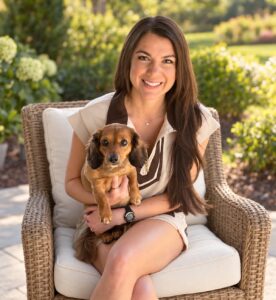
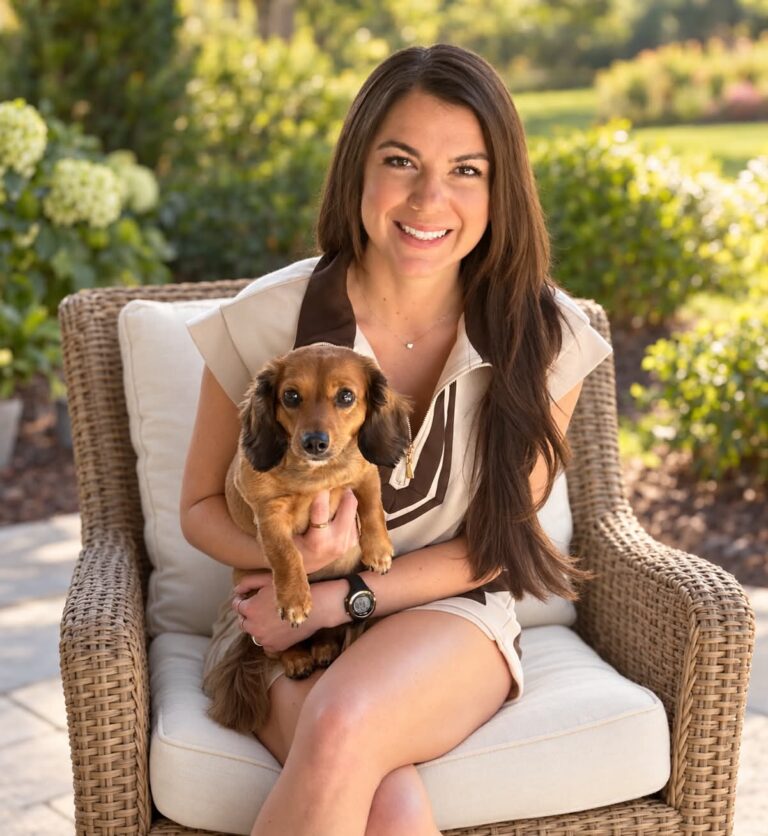
Working in the animal care world can be so much fun, but it also comes with heartbreak. As dog trainers, we have unfortunately had to support clients that have had to make a euthanasia decisions for many different reasons, and as dog-moms we’ve personally been touched by the heartbreak that comes with these decisions. Dr. Marina Gilmore has a heart for not only the animals in her care, but the humans that are choosing that final act of love for their pets. With her business “Gentle Goodbyes at Home,” Dr. Gilmore strives to bring peace, support, and gentle closure to these moments. It takes a special person with a big heart to do this work!
Can you give us a little background on your veterinary education and career? Why did you decide to pursue veterinary medicine? What do you love about this profession?
When I was 5 years old, I went to the zoo and was completely obsessed with all of the animals. I kept telling my parents that I wanted to be a zookeeper. My dad told me, “You know, you could be a doctor for animals,” and I had no idea that was even a thing! 😂 From that point on, I knew exactly what I wanted to do and started chasing that dream.
I received my bachelor’s degree in biology from Auburn University at Montgomery and then attended Tuskegee University College of Veterinary Medicine, where I earned my Doctor of Veterinary Medicine degree.
There are so many things I love about this profession. Of course, getting to work with animals every day is a huge part of it, but I also really enjoy the challenge of medicine—putting all the pieces together, figuring out what’s wrong, and determining the best way to help. I also love building relationships with pet owners and helping them care for animals that truly are members of their families. Being able to make an animal feel better, give an owner answers, or simply be there for a family during a difficult time makes this career incredibly rewarding.
Tell us about yourself! What do you like to do outside of work?
Outside of work, I love spending time with my family! My husband and I have an 18-month-old daughter, and they are truly my whole world. I love being a mom and spending as much of my free time with them as I can. Whether we’re getting out and doing something fun together or just having a quiet day at home, family time is definitely my favorite way to spend my time outside of veterinary medicine.
Do you have any personal pets?
Yes! 3 dogs! And they’re all the same color. It was not planned 😂
What led to the desire to start Gentle Goodbyes at Home?
When I was working as a veterinary technician, I had the opportunity to assist with a couple of in-home euthanasias alongside some of the doctors I worked with. I remember seeing how much more gentle the experience was for both the pets and their families. The pets were in a familiar place, surrounded by the people they loved, without the fear or stress that can sometimes come with being at a veterinary clinic.
A few years later, I found myself providing that same care as a veterinarian. I still remember the first in-home euthanasia I performed as a doctor. It was a beautiful day, and we were outside in the grass in the family’s backyard. Their fur baby was comfortable and relaxed—there was no fear, no stressful car ride, and no unfamiliar exam room. He was simply at home, surrounded by everything he knew.
As difficult as saying goodbye always is, there was something incredibly peaceful and beautiful about that experience. It stayed with me and made me realize that I wanted to be able to offer families another option for those final moments. That ultimately became the inspiration behind Gentle Goodbyes at Home.
What does the process look like? What can a client expect when you come to their house?
Before I arrive, I encourage families to choose a place where their pet feels happiest and most comfortable. That might be their favorite bed, curled up on the couch, or even outside in the grass on a beautiful day. There really are no rules—it’s about creating an environment that feels comfortable and familiar for both the pet and their family.
When I arrive, I take time to explain the entire process and answer any questions before we begin. Nothing is rushed, and we don’t move forward until the family is ready. I first give an injectable sedative so the pet can become very relaxed and comfortable. Once they are quietly sedated, I place an IV catheter for the final medication.
When the family is ready, I administer the final injection. I explain beforehand that the medication allows them to pass very peacefully. They become completely unconscious, their breathing stops, and then their heart stops. I encourage families to stay close, hold them, pet them, and talk to them throughout the entire process. I want their pet’s final moments to be filled with familiar voices, gentle touches, and the people they love.
Afterward, families are given as much time as they need to say goodbye. If they choose cremation, I can take their pet into my care and keep their remains respectfully preserved until they are transferred to Family Pet Cremation. Families also have the option to make their own aftercare arrangements, including burial at home where permitted.
My goal throughout the entire process is for families to never feel rushed and for their pet to be comfortable and surrounded by love from beginning to end.
Why would someone want to do euthanasia at home instead of in a clinic?
From my experience, pets are simply much more relaxed in their own homes. A trip to the veterinary clinic can be stressful for many animals, especially when they are already sick, painful, or weak. There’s the car ride, unfamiliar smells and people, other animals, and all of the sounds that come with a busy veterinary practice.
For some families, getting their pet to the clinic can also be physically difficult. A large dog may no longer be able to stand or walk well enough to get into a vehicle, and some cats experience significant fear and anxiety just from being placed in a carrier or riding in the car. An in-home euthanasia allows us to avoid putting them through that additional stress during their final moments.
Being at home also gives the family more privacy. Instead of saying goodbye in a clinical environment with phones ringing, people talking, or dogs barking in the background, they can be together in a quiet, familiar space.
It allows a very difficult and heartbreaking moment to happen in the place where that pet has always felt safest—their home.
What are the factors that might lead to someone making the decision to euthanize?
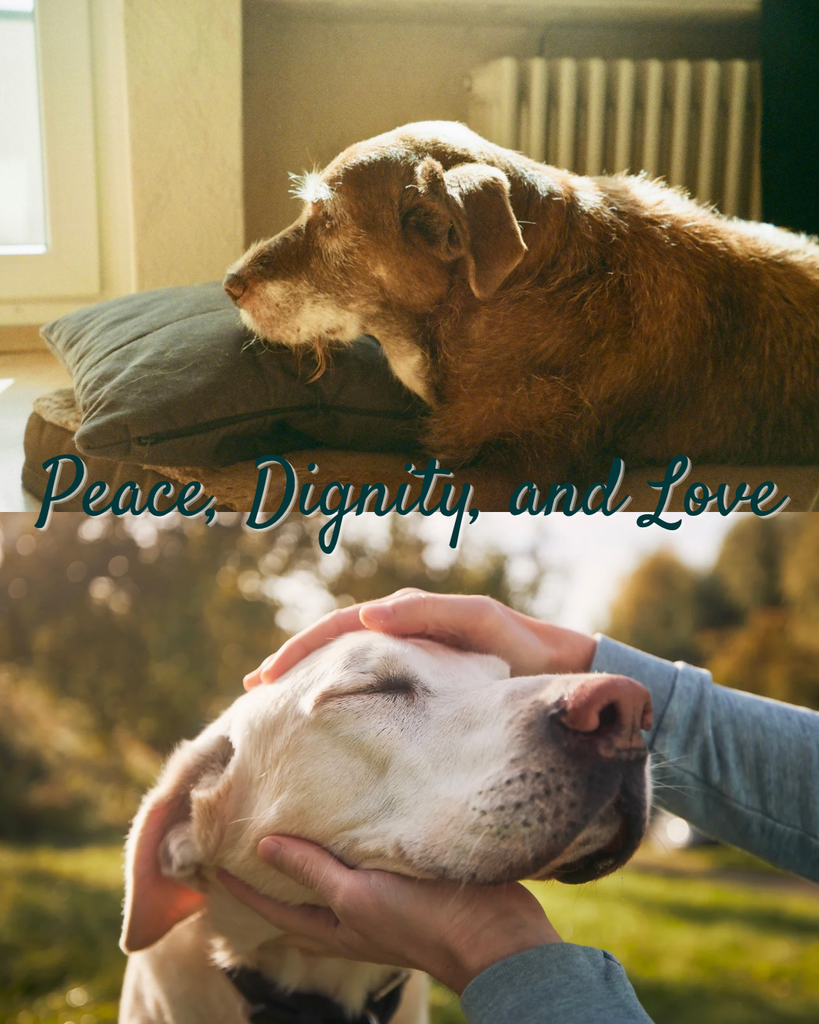
There are many different reasons a family may begin considering euthanasia, whether it’s a terminal diagnosis, chronic pain, advanced age, loss of mobility, or a condition that can no longer be managed comfortably. Ultimately, though, I think the biggest factor is quality of life. That’s why I encourage families to focus less on a specific diagnosis or age and more on how their pet is feeling and functioning day to day.
What are the “signs” they should look for to let them know that it might be time?
One of the hardest questions pet owners face is, “How will I know when it’s time?” Unfortunately, there usually isn’t one single sign that gives us that answer. I encourage families to look at their pet’s overall quality of life and think about the things that have always brought them joy.
One of the first things I ask about is appetite. Most of our pets love food, so when they consistently lose interest in eating or even in their favorite treats, that can be a sign that they’re no longer feeling well.
I also ask, “Are they having more bad days than good days?” Are they still enjoying the things they used to enjoy? Can they rest and breathe comfortably? Are they able to get up and walk without significant pain or difficulty? Can they use the bathroom normally and keep themselves clean? Are they still interacting with their family, or have they started withdrawing?
Every pet is different, so I try to help families look at the whole picture rather than focusing on just one symptom. Ultimately, we want to protect their quality of life and prevent unnecessary suffering. Sometimes making that decision before a pet reaches a crisis can be one of the kindest gifts we can give them.
Can you discuss the stigmas associated with having to euthanize a pet (either for old age, illness, or behavior)?
I think one of the biggest stigmas surrounding euthanasia is the idea that choosing it means you are giving up on your pet. Owners often feel guilty and wonder if they are making the decision too soon, if they should try one more treatment, or if they are somehow betraying a pet who has trusted them their entire life. In reality, when a pet is suffering and we can no longer give them a good quality of life, choosing a gentle goodbye can be one of the most loving and selfless decisions an owner makes.
There can be even more stigma surrounding behavioral euthanasia. People may be quick to judge an owner without knowing the full situation. Severe behavioral problems can affect the safety and quality of life of the pet, the family, other animals, and sometimes the community. Many of these families have already tried training, medication, behavioral modification, or other options before reaching that point. It can be an incredibly painful and isolating decision.
Whether the reason is old age, terminal illness, chronic pain, or severe behavioral concerns, I don’t think owners should feel ashamed for having these conversations with their veterinarian. Our goal is always to consider the pet’s quality of life and welfare while also looking at the circumstances of the family as a whole. Sometimes loving them means recognizing when we can no longer give them the comfortable, safe life they deserve.
What would you like to accomplish most with Gentle Goodbyes at Home? What do you want your clients to walk away with?
More than anything, I want families to walk away from the experience feeling at peace with the goodbye they were able to give their pet. Losing a beloved pet is heartbreaking no matter where it happens, but I believe those final moments can still be peaceful and beautiful.
At home, families can say goodbye in a place where their pet feels safe and comfortable, surrounded by the people and things they love. There’s no stressful car ride, unfamiliar exam room, dogs barking in the background, or people coming and going. Families can take their time, grieve privately, and focus completely on their pet.
My hope with Gentle Goodbyes at Home is that when owners look back on such a difficult day, they can also remember the peace and comfort that surrounded their pet in those final moments. I want them to know that their pet left this world feeling safe, loved, and at home.
If you could tell pet parents one thing and it really sink in, what would it be?
One of the kindest things we can do for a beloved pet is not allow them to suffer. I know how difficult it is to make the decision to say goodbye, and I think many owners worry that they are giving up or making the decision too soon. But choosing to take away their pain, even when it means taking on that heartbreak ourselves, is an incredible act of love.
They give us their unconditional love throughout their lives, and sometimes the final gift we can give them is a peaceful goodbye.